Project Overview
Seedy is a dark comedy centred on a small-time thief hired to steal women’s underwear, only to find himself in far more trouble than he bargained for when he discovers a dead body. Blending absurdity with escalating tension, the film plays with tone to balance humour and menace.
I served as both Cinematographer and Editor, designing the film’s visual look, operating the camera, developing the lighting approach, and leading the camera team during production. In post-production, I cut the film from assembly to final edit, completed the colour grade, and designed the graphic elements, including the title sequence.
Pre – Production
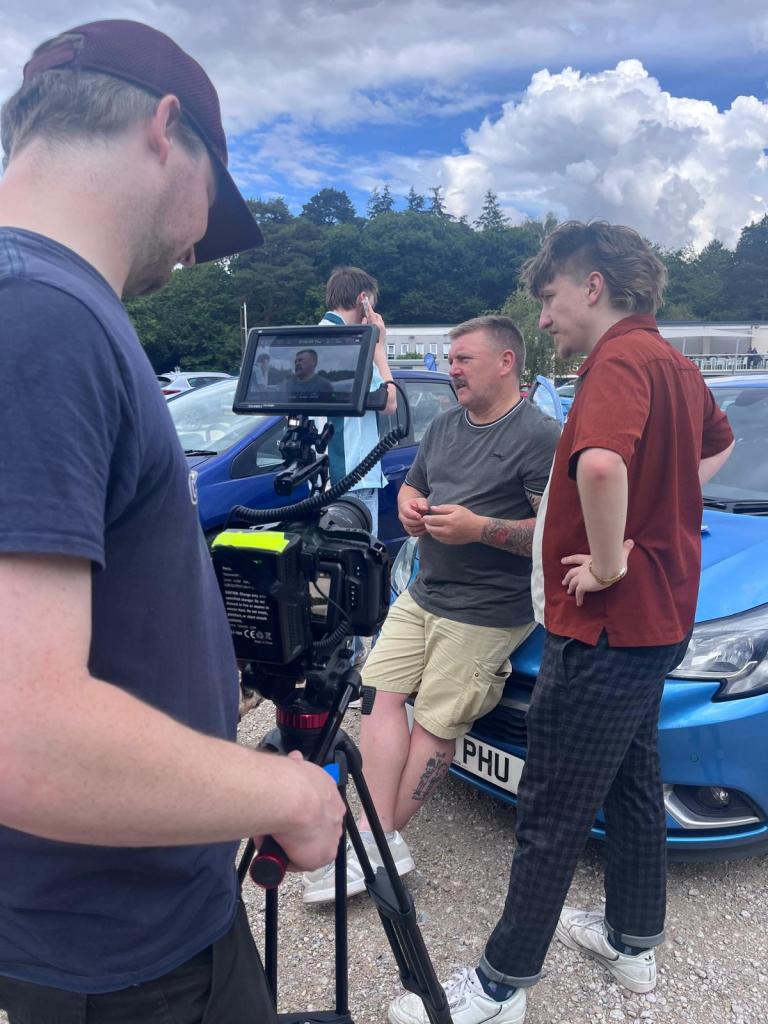
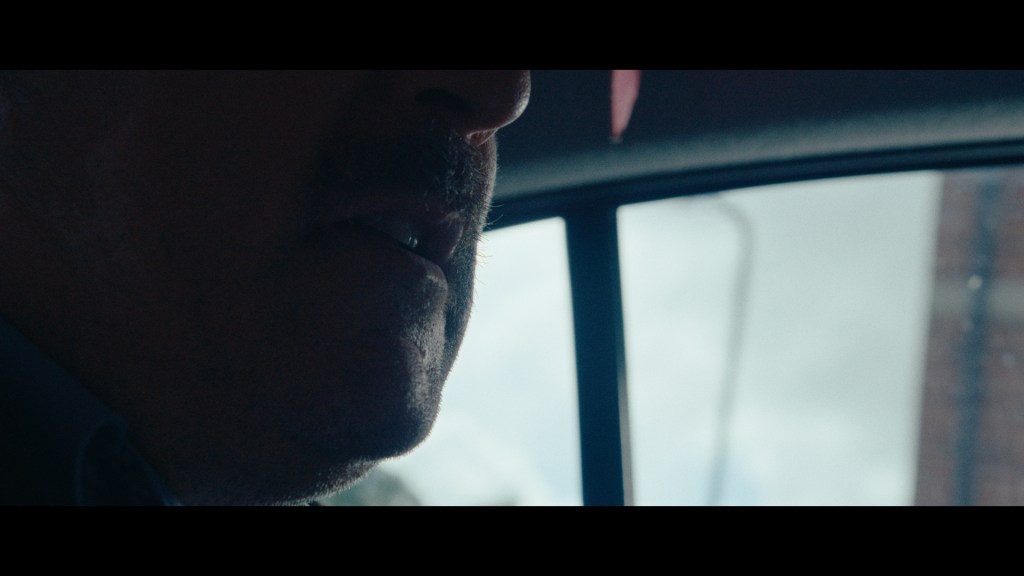
During pre-production, I broke down the script in detail and worked closely with the director (Velton J Lishke) and writer (M.A. Griffiths) to explore and develop visual ideas for the film. I was particularly interested in pushing a neo-noir aesthetic, using darkness, contrast, and framing to heighten the sinister undertones of the comedy in certain scenes.
One of the key ideas I pitched was staging the car conversation with the characters seated in the front and back seats, creating physical separation and an uneasy power dynamic. Another intentional choice was to obscure the character of James each time he enters the apartment, delaying a clear view of him until later in the film to turn his appearance into a deliberate reveal. These decisions helped build tension while supporting the film’s darkly comic tone.
Principal Photography
For Seedy, I chose to shoot on the Blackmagic Pocket Cinema Camera 6K Pro due to my familiarity with the system and its flexibility in post-production. The camera features a 6K Super 35-size sensor with up to 13 stops of dynamic range and dual native ISO, allowing for rich, high-resolution imagery with excellent performance in varied lighting conditions. It also includes built-in ND filters and a bright, adjustable HDR touch screen, making it well-suited to narrative shooting on a controlled set.
To achieve clean, versatile coverage without an overly stylised look, I leaned heavily on the Sigma 18–35mm f/1.8 Art zoom lens. This lens is lauded for its exceptional sharpness across its range and a fast constant aperture that performs well in low light and offers creative control over depth of field—qualities that made it ideal for both dialogue and wider character moments.
Lighting Strategy
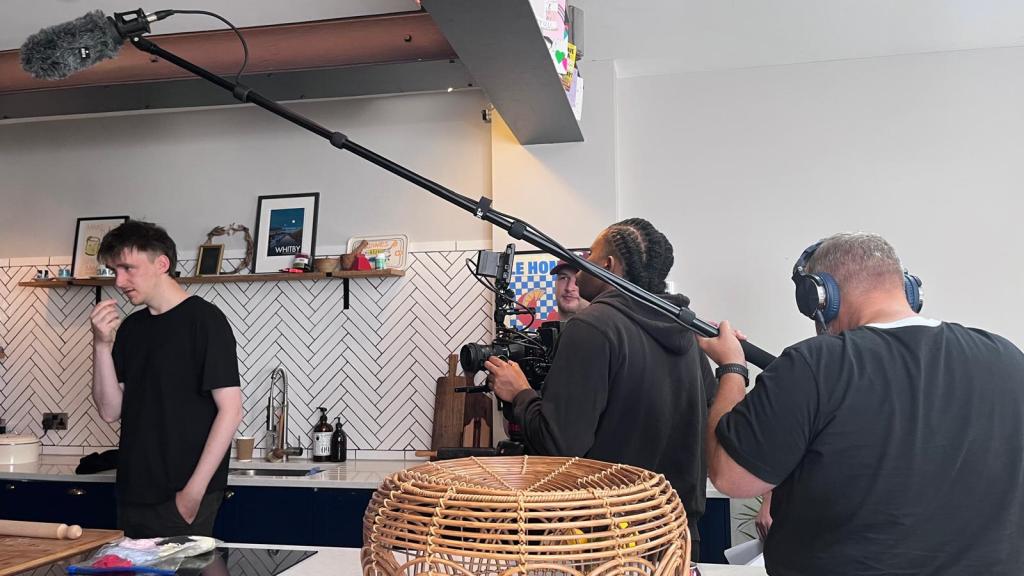
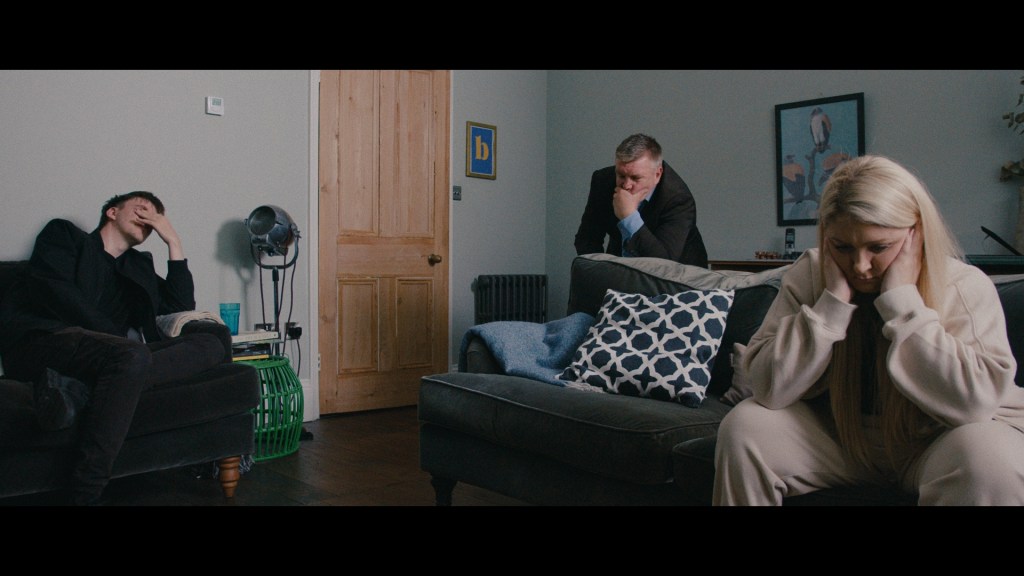
Visually, Seedy required flexibility between heightened neo-noir moments and more naturalistic comedy beats. For scenes with a noir edge, lighting was designed to sculpt contrast and shadow, reinforcing the genre’s moody, low-key look. In contrast, the broader comedy scenes were lit in a naturalistic way that allowed actors freedom of movement and clarity in performance, ensuring the humour played without distraction. Across both approaches, the lighting was intentional but unobtrusive, supporting tone and performance without upstaging them.
Post-Production
Post-production on Seedy was completed in DaVinci Resolve, with the edit closely following the script to preserve the intended structure and pacing. Due to a tight shooting schedule, many editorial decisions were discussed and planned during production, allowing the edit to largely follow the pre-established vision rather than being reworked in post. This approach made the process one of refinement and assembly rather than restructuring.
Basic sound design was implemented early in the edit as a reference layer, alongside temporary music to establish tone and rhythm. Many of these elements ultimately carried through into the final film. All graphics were designed in DaVinci Resolve, including on-screen typing effects, with After Effects used where additional control was required for titles and credits. The film was conceived for a widescreen presentation and shot with this in mind, with aspect ratio bars added in post to achieve the final framing. The final colour grade was developed using Juan Melara’s P6K-to-Alexa PowerGrade as a base, combined with FilmUnlimited to create the Neo-Noir look. This approach helped unify the image and support the film’s neo-noir influences while maintaining clarity for the comedic moments.
 Tom Spruce
Leave a comment