It’s almost a cliché at this point to say that “sound is half of video”—but it’s a cliché for a reason. Time and time again, sound design is overlooked, even though it’s one of the most powerful tools in filmmaking.
You can roll your eyes at me if you want, but I promise all the new videographers and filmmakers out there: simply adding small sounds to your project will transform your videos.
Think of a video like an iceberg. The visuals—the part we see above the surface—should only be a small fraction of what makes the piece work. Below the waterline, there should be layers of audio: ambient sound, foley, subtle background music, and carefully placed effects, all working together to create immersion.
Without that depth, videos feel flat. A well-shot scene with poor audio just feels “off”—but an average shot with great sound design can bring a video to life. Sound tells us where we are, how we should feel, and what’s important in a scene.
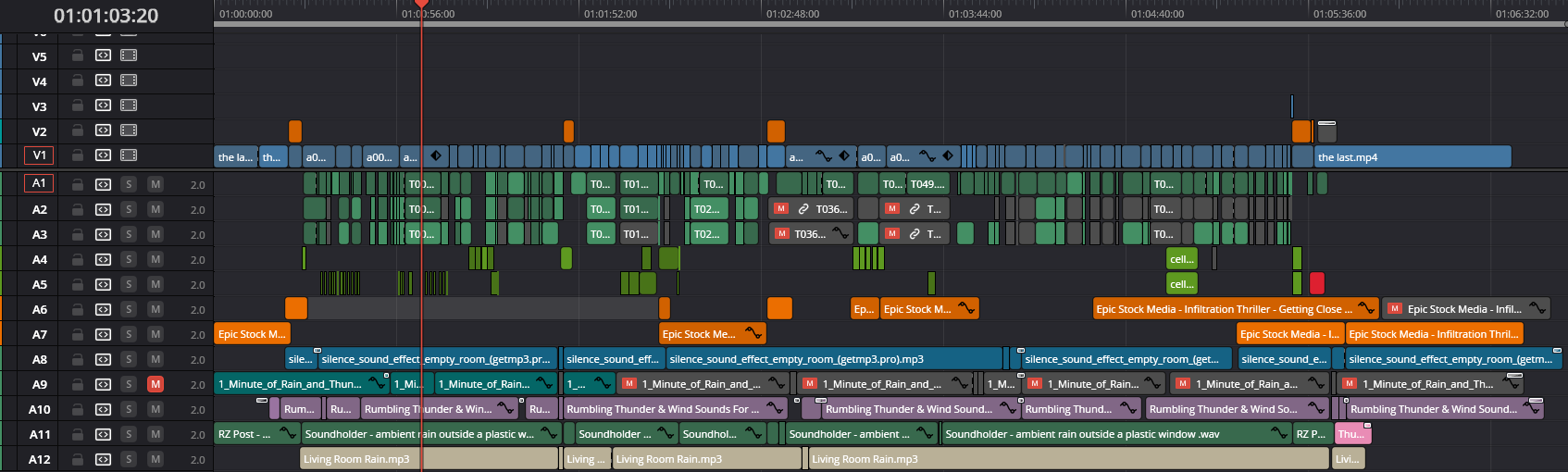
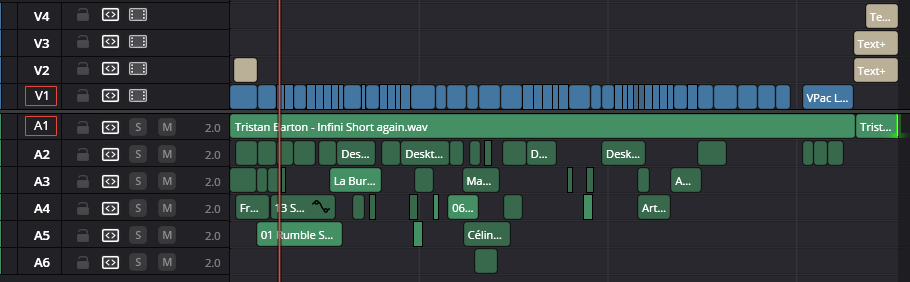
Take this timeline from one of my latest projects: two layers of video and twelve for sound. Only three of those sound layers came from the day of filming—one boom mic and two lav mics. The rest? Foley to ensure the audience hears what we want them to, background music and sound effects to emphasize key moments, and multiple layers just for room tone and weather outside. Without these elements, no matter how good my cinematography was, the film would have felt flat and empty.
But even in simple videography, sound makes a huge difference. Got a drone shot? Add the sound of trees rustling in the wind or cars passing below. Filming a wedding? Make sure you hear the champagne pop. A football game? Let the crowd roar. Shooting near a fountain? Bring in the sound of running water.
Trust me—add the sound. Your videos will thank you for it.

 Tom Spruce
Leave a comment